이 글의 문맥을 분석하여 이글루스에 있는 많은 글 중에서 관련성이 높은 글을 자동으로 검색해 낸 결과입니다.
|
+ http://www.premiere.com/directors/3625/10-directors-who-changed-cinema-john-ford.html
10 Directors Who Changed Cinema: John Ford Some directors know how to make a good movie, some raise the bar on movie-making as a whole. Premiere looks at ten of the innovators, mavericks, and auteurs who made their mark on cinema.
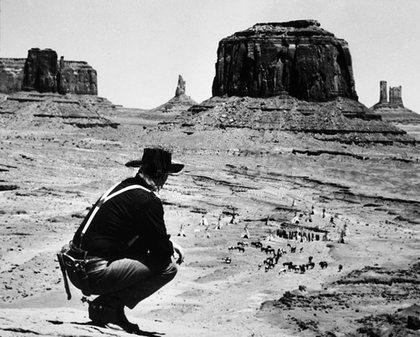
It didn't take 112 films for John Ford to make a lasting impression on the art of filmmaking, but each one served as part of the most influential career of any American filmmaker. Incidentally, Ford's Hollywood career started as an extra, leading him to act as a hooded Klansman in D.W. Griffith's The Birth of A Nation — an auspicious start for a man who would change the filmmaking landscape as much as Griffith. However, Ford didn't innovate his craft as audaciously as Griffith did. Instead, the director became a master technician who captured images of breathtaking beauty while remaining an economical storyteller. Yet Ford wasn't limited in the stories he told, though he was primarily known for his westerns. His work with John Wayne in Arizona's Monument Valley (Stagecoach and The Searchers) might be his most legendary, but then again, Ford earned Oscars for more intimately dramatic films like The Informer and his adaptation of John Steinbeck's The Grapes of Wrath. John Ford's films explored American institutions such as the military with They Were Expendable, a film that touched upon the director's experience as a Rear Admiral in the Navy, and politics in The Young Mr. Lincoln and the Spencer Tracy starring The Last Hurrah. He made personal projects like The Quiet Man and even comedies like Doctor Bull and The Sun Shines Bright, but his films always represented his rough and tumble background that translated into a workmanlike quality in his movies. Still, no one could piece films together better than Ford. His ability led Orson Welles to once remark that he learned how to make films from "the old masters, by which I mean John Ford, John Ford, and John Ford." Contemporary filmmakers like Steven Spielberg and Martin Scorsese have built upon Ford's techniques. Of course, Ford always averred that he thought of himself as anything other than a hired hand for the movie studios, but his artistry manifested itself in the way he brought rich stories and characters to the screen without much muss and fuss. Ford may have helped build Hollywood during its formative years, but he also ingrained the images of big screen heroes into the hearts and minds of America. His films had soul, and he left behind a body of work that remains relevant to this day. — Stephen Saito # by Olsen | 2007/04/23 18:53 | 그 밖에
|
||||||